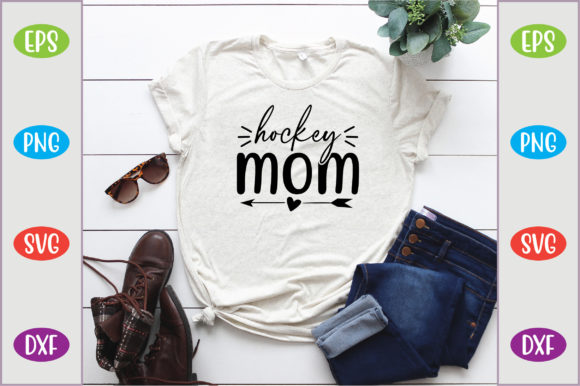
Hockey Mom: A Hands-On Review for Embroidery Designers
When a design titled Hockey Mom lands in my project queue, I expect team pride, rink-side warmth, and a look that travels well from game day to everyday life. After running this design through several real embroidery projects, I want to share what I have found practical, where it needs extra attention, and how it performs when you are building products for clients, craft fairs, or an Etsy shop.
First Look: What Hockey Mom Brings to the Hoop
The design reads immediately as a clean lifestyle graphic. It has a confident layout that avoids being too cutesy or too aggressive. The visual personality sits in that sweet spot where a hockey mom can wear it to a game, a school pickup, or a team dinner without feeling overdone. The theme is clear without being loud, and the composition leaves room for the embroidery to breathe.
The file is an instant download SVG cutting file, compatible with many cutting software machines like Cricut and Silhouette. If you are using it as a machine embroidery design, you will want to confirm your embroidery file format separately or convert it appropriately. For those of us who work with both digital embroidery files and cut graphics, having the SVG in your design assets folder makes it easy to create printable mockups and previews before committing thread to fabric. This kind of flexibility matters when you are managing multiple product types in a small shop.
Real Project Test: Hockey Mom on a Custom Tote Bag and Sweatshirt
I tested this design on two different products: a sturdy canvas tote bag and a mid-weight cotton blend sweatshirt. These are common orders in any small shop product lineup, and both gave me useful feedback on how the design behaves in real stitching.
On the tote bag design, I used a medium hoop size and a tear-away stabilizer. The design stitched cleanly with good registration. The satin stitch areas held their shape without pulling, and the fill stitch sections sat evenly across the canvas weave. The design had enough presence to stand out as a featured element on the bag, which is important when a customer is paying for a personalized gift or a boutique item. I could see this same approach working well for a tote bag sold at a craft fair or as a team fundraiser item.
On the sweatshirt, I switched to a cut-away stabilizer because of the knit fabric texture. The design handled the slight stretch well. No distortion, no puckering around the edges. The thread colors I chose were a deep navy and white, which gave the design a sharp team-ready look. If I were selling this as a custom apparel piece, I would feel confident offering it for both gender-neutral and women's fits. The design also works for baby embroidery if you scale it down appropriately and use soft thread colors.
Where Hockey Mom Shines in a Product Line
This design works naturally on a wide range of products. Because the theme is specific but not overly niche, it fits into several categories: T-Shirt Designs, custom sweatshirts, tote bag designs, embroidered patches, baby embroidery for little fans, and even holiday embroidery if you pair it with seasonal colors. The design also translates well as an applique design if you prefer fabric layering over thread stitching. For a craft business owner, that versatility is valuable. One design can serve multiple product listings and reduce the need to source new files for every project.
I can see it working well on a cap or hat, though you will want to pay attention to the design layout on a curved surface. For aprons, kitchen towels, and pillow covers, the design size can be scaled to fit without losing its visual impact. For Etsy sellers and handmade product owners, having a design that moves from apparel to home goods to accessories is a practical advantage. It also works as an embroidered patch that can be sewn onto jackets, backpacks, or team bags.
Caution Zones: When Hockey Mom Needs Extra Care
No design is perfect for every surface. Here is where I would be careful with this one.
First, small hoop sizes. If you are working with a 4x4 hoop, check the design scaling. Details that look good at full size can become cramped or lose clarity when shrunk down. Test the design on scrap fabric before committing to a finished product.
Second, textured fabrics or thin, stretchy fabrics. The stitch density on this design is moderate, but any dense stitching on a delicate fabric can cause puckering. Use a proper stabilizer and consider a lightweight topper if needed. For stretchy fabrics like jersey, a cut-away stabilizer is usually the safer choice.
Third, dark fabrics. The design works best when there is good contrast between thread colors and fabric background. Test it in black and white mockups first to confirm visibility. If you are stitching on a dark garment, choose thread colors that pop clearly, like white, gold, or bright red.
Fourth, detailed corners and tiny lettering. If the design includes any small text or sharp angles, those areas may need a running stitch adjustment or a slightly larger hoop size to maintain clarity. Always inspect small details before stitching and adjust your needle size if needed.
What Hockey Mom Does for Product Value and Customer Trust
When a customer sees a well-stitched design on a handmade product, they notice the difference. This design, when executed cleanly, adds a professional touch that builds trust in your brand. It looks intentional. It looks like someone cared about the finished product.
For a small shop product, that translates into higher perceived value. Customers are more likely to gift it, more likely to post it on social media, and more likely to return for future orders. The design also works for commercial embroidery projects if you confirm the licensing. Always check whether the file allows for selling finished products or if you need to purchase an extended license. This is especially important for Etsy sellers and small shop product owners who want to scale their product lines.
Designer Notes Before You Commit to Fabric
Before you stitch this design for a client or for your shop, here are a few practical steps I recommend.
- Test the design on scrap fabric first. This is non-negotiable. You want to see how the satin stitch lands, how the fill stitch behaves, and whether the thread colors match your vision.
- Check thread color contrast against your fabric. A design that looks great on screen may lose impact on a busy or dark background.
- Review the stitch density. If the design has dense areas, make sure your needle can handle the penetration without breaking or skipping.
- Confirm hoop size. The design should fit comfortably within your hoop without crowding the edges.
- Use the right stabilizer. For most woven fabrics, a tear-away works. For knits or stretchy fabrics, use a cut-away.
- Test it in black and white. This helps you see the design's structure without the distraction of color.
- And finally, confirm licensing before you sell finished items or digital products. If you are an Etsy seller or craft business owner, this step protects your shop and your reputation.
Final Thoughts on Hockey Mom for Your Embroidery Projects
Hockey Mom is a design that delivers on its promise. It is clean, sporty, and versatile enough to fit into multiple product categories. Whether you are stitching it on a tote bag, a sweatshirt, a baby onesie, or a holiday gift, it holds up well under real embroidery conditions. The key is to test it first, choose your fabric and stabilizer wisely, and pay attention to scale and contrast.
For any designer or small shop owner looking to add a team-spirited design to their lineup, Hockey Mom is worth the hoop time. It has the visual personality to satisfy customers and the practical reliability to make your production work smoother. That combination is harder to find than you might think, and it is exactly what keeps an embroidery project moving from idea to finished product with confidence.