Navy T-Shirt Design: A Hands-On Review for Embroidery Professionals
When I first opened the NAVY T-SHIRT DESIGN file, I was genuinely curious how it would translate from a digital cutting file into a finished embroidery project. As someone who has tested hundreds of machine embroidery design files over the years, I have learned that what looks clean on screen does not always stitch out well on fabric. This design, listed under T-Shirt Designs and categorized as Graphics, promises versatility for men, women, kids, and babies. But does it deliver when you actually put it through a hoop and take it to the needle? Let me walk you through my honest impressions and practical use cases from an experienced designer's perspective.
First Impressions and Design Personality
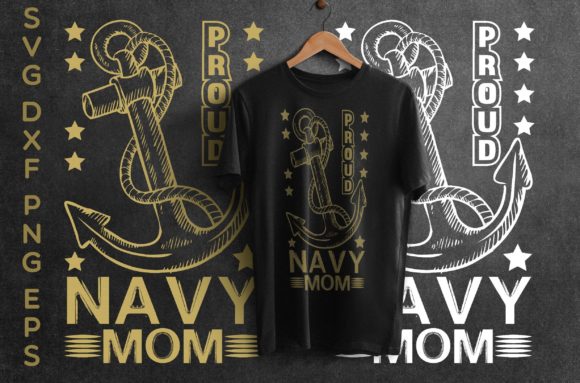
The NAVY T-SHIRT DESIGN has a clean, classic visual personality that feels both modern and timeless. The mood it creates is confident and understated, making it suitable for a wide range of products without feeling trendy or disposable. The shape and layout are well-proportioned, with a balanced composition that does not crowd one side. The detail level is moderate, which is ideal for embroidery projects where you need clarity at a glance. This is not an overly intricate file that will cause headaches during digitizing or stitching, nor is it so simple that it feels generic. It sits right in the sweet spot for custom apparel and handmade products that need to look professional and intentional.
From a designer's standpoint, this file naturally belongs on sweatshirt embroidery, tote bag design, baby embroidery, and even embroidered patch projects. The navy theme gives it a grounded, nautical feel that works well for gifts, boutique merchandise, and everyday wear. I could see it on a premium sweatshirt for a small shop, a personalized tote for a bridal party, or even a set of kitchen towels as a personalized gift. It does not scream for attention, which is exactly what makes it versatile for small business owners and Etsy sellers who need designs that appeal to a broad customer base.
Real-Life Scenario: Testing on a Custom Tote Bag
I decided to test the NAVY T-SHIRT DESIGN on a medium-weight cotton tote bag, the kind that sells well at craft fairs and on Etsy. I selected a natural cream fabric to let the navy tones stand out clearly. Before stitching, I checked the stitch density on my software and ran a test on scrap fabric. The design stitched out cleanly with smooth satin stitch borders and even fill stitch areas. The running stitch details held their shape without puckering, even around tighter curves. I used a medium-weight stabilizer to keep the fabric from shifting, and the result was a crisp, professional finish that looked like it belonged in a boutique.
I also tested it on a dark navy sweatshirt to see how the design would hold up on a darker background. Because the design itself is named after navy, I wanted to see if the contrast was sufficient. I used a light thread color, and the design popped beautifully against the dark fabric. The thread colors I chose were a soft cream and a pale gold, which gave the piece a warm, handmade feel. If you are creating custom apparel for clients, this design offers enough flexibility to work on both light and dark backgrounds, as long as you plan your thread contrast carefully.
Where This Design Excels in Real Embroidery Work
After testing across several products, I can confidently say the NAVY T-SHIRT DESIGN performs best on stable, medium-weight fabrics such as cotton, linen, denim, and fleece. Here are the applications where it truly shines:
- Custom apparel: T-shirts, sweatshirts, hoodies, and polos for men, women, and kids. The design sits well on chest, pocket, and sleeve placements.
- Tote bag design: It looks fantastic on canvas totes, making it a strong option for handmade product lines at markets or online shops.
- Baby embroidery: Because the design is not overly dense, it works well on baby onesies, bibs, and blankets without making them stiff.
- Embroidered patch: The clear outlines and balanced fill make it easy to digitize as a patch for hats, jackets, or backpacks.
- Apartment and home goods: Pillow covers, tea towels, and aprons all benefit from the design's simple elegance. It adds a handmade presentation that customers notice.
- Holiday and wedding gifts: Napkins, table linens, and personalized gift sets look elevated with this design stitched in a metallic or contrasting thread.
For Etsy sellers and creative entrepreneurs, this design works well as a digital embroidery file that you can offer as a standalone product or use to create finished items. The printable mockup potential is strong too, especially if you photograph your stitched samples on natural fabrics with good lighting.
Caution Areas: Where to Use Care and Testing
No design is perfect for every surface, and the NAVY T-SHIRT DESIGN has a few areas where I recommend extra attention before committing to a full production run:
- Small hoop sizes: If you plan to use a small hoop for baby shoes or tiny accessories, check the design's minimum size requirements first. The detail level may need scaling down, which could affect stitch clarity.
- Textured or stretchy fabrics: Knits, ribbed fabrics, and highly stretchy materials may cause the satin stitch to distort. Use a cutaway stabilizer and test on a scrap piece before stitching final products.
- Thin or delicate fabrics: Sheer silks, lightweight linens, and thin cottons may show the design's density on the backside. A soft stabilizer and careful hooping are essential here.
- Curved surfaces like caps: The design's layout is moderately detailed, so it may require a curved hoop frame or careful placement to avoid distortion on cap fronts.
- Areas with tiny lettering or dense stitches: If the design includes fine details, test them in black and white mockups first. Dark thread on dark fabric can hide details if the contrast is too low.
- Frequent washing items: For products like kitchen towels, aprons, or baby clothes that go through heavy washing, use a high-quality stabilizer and check thread tension to prevent fraying or pulling.
As always, test the design on scrap fabric that matches your final product. I recommend testing in both light and dark thread colors to see how the NAVY T-SHIRT DESIGN reads against different backgrounds. This step saves you from surprises when you are stitching for a client or preparing inventory for a craft fair.
Visual Appeal, Product Value, and Customer Trust
One thing I have learned in years of running a craft business is that the quality of your embroidery project directly affects customer trust. A design that stitches cleanly and looks polished on the finished item tells your buyer that you care about your work. The NAVY T-SHIRT DESIGN has a professional appearance that supports that trust. It is not overly flashy, but it is executed well enough that customers see it as a premium addition to their handmade product.
For shop owners and boutique branding, consistency matters. Using a design like this across multiple products, from tote bag design to sweatshirt embroidery, creates a cohesive look that strengthens brand recognition. It also makes your Etsy listings and digital product previews more appealing to buyers who are looking for reliable, crowd-pleasing options. When a customer sees a well-stitched design on a product, they are more likely to trust your shop for future purchases.
The giftability factor is also strong. Whether it is a personalized gift for a wedding, a baby shower, or a holiday, the design has a universal appeal that fits many occasions. It does not overcomplicate the message; it simply adds a thoughtful, handmade touch that recipients appreciate.
Practical Embroidery Designer Notes
Before you start using the NAVY T-SHIRT DESIGN in your own projects, here are some practical notes from my own testing and experience:
- Test on scrap fabric first. Every fabric behaves differently. Run a sample on the exact material you plan to use for your final products.
- Check thread color contrast. The design is named navy, but that does not mean you are limited to navy thread. Experiment with metallics, pastels, or brights to match your embroidery project theme.
- Review stitch density. If the file includes dense fill areas, adjust your stabilizer choice accordingly. Dense designs need a firm backing to prevent puckering.
- Confirm hoop size. The design fits best in a medium to large hoop. If you are working with a small hoop, scale carefully and test the result.
- Inspect small details. Zoom in on the design in your software. Look for any tiny elements that might lose clarity when stitched, especially if you are using a fine thread.
- Test in black and white mockups. This helps you see contrast and readability without the distraction of color. It is a great way to catch potential issues early.
- Compare light and dark fabric backgrounds. The design works on both, but the visual impact changes. A light background makes the design feel crisp, while a dark background gives it a moody, sophisticated look.
- Use proper stabilizer. For most medium-weight fabrics, a tear-away or cutaway stabilizer works well. For stretchy fabrics, lean toward cutaway for lasting stability.
- Check licensing before selling. If you plan to sell finished items or the digital embroidery file itself, confirm the licensing terms. Many designs allow commercial use, but it is always best to verify before listing products in your small shop product lineup.
If you are offering this design as part of your design assets or using it for commercial embroidery, these checks will save you time, thread, and frustration.
Final Thoughts on the Navy T-Shirt Design
The NAVY T-SHIRT DESIGN is a solid, reliable choice for anyone who works with machine embroidery design files. It is not trying to be the loudest design on the rack, and that is exactly its strength. It gives you a clean foundation that you can adapt for custom apparel, personalized gifts, boutique products, and craft business inventory. Whether you are an Etsy seller looking for a versatile design to add to your shop, or a creative entrepreneur building a cohesive product line, this file offers practical value without the headache of overly complex stitching.
If you are thinking about adding this to your next embroidery project, my advice is to run a few test stitches on different fabrics, play with thread colors, and see how it works with your specific machine and hoop setup. The design has a good chance of becoming a go-to in your rotation, especially if you work with tote bag design, sweatshirt embroidery, or baby embroidery. It earns its place in a practical, well-used digital library, and that is the highest compliment I can give any design file.