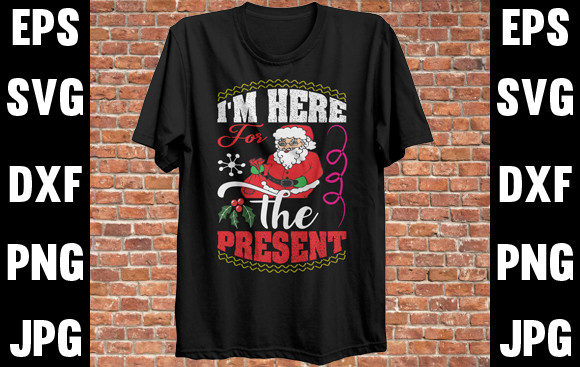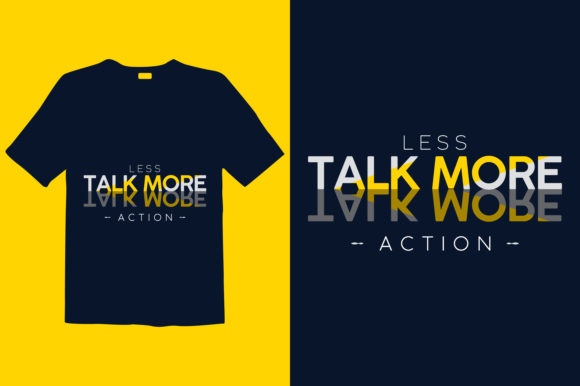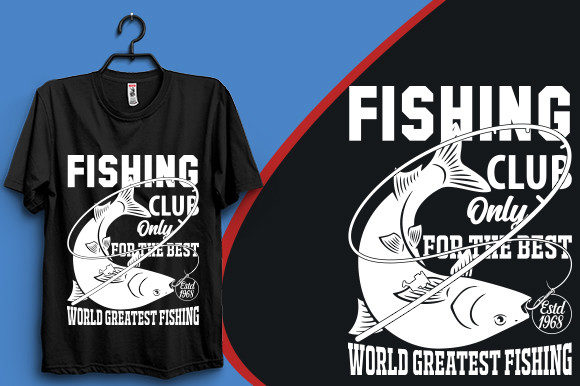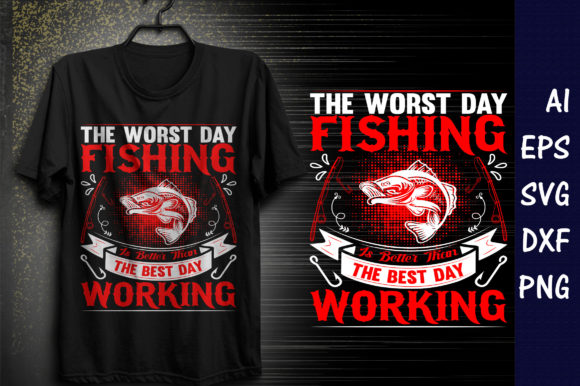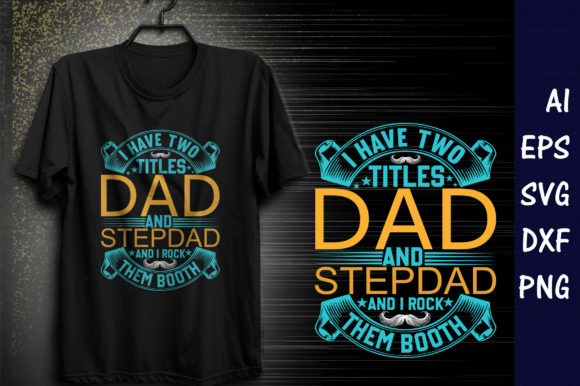
Printable Dad T-shirt Design Graphics & Print Templates Review
Last month, I was preparing a Father’s Day collection for my Etsy shop and a local craft fair that always draws a big crowd of gift shoppers. I needed something that could work across several product types—mugs, tote bags, greeting cards, and of course, t-shirts. That’s when I pulled up the Printable Dad T-shirt Design and started running it through my usual workflow. As someone who has been cutting vinyl, printing sublimation transfers, and layering SVGs for years, I have a pretty good sense of what will make it into my shop and what will end up in the digital discard pile. This one earned a spot in my active project folder.
First Look and the Vibe It Brings to Handmade Products
When I opened the Printable Dad T-shirt Design, the first thing I noticed was its clean, bold structure. It has a confident, playful feel that suits a wide range of dad personalities—from the grill master to the weekend DIYer to the guy who just wants a comfortable tee with a bit of personality. The design avoids being overly cutesy or overly minimal, which means it can appeal to customers looking for something heartfelt without being saccharine. In my experience, that balance is exactly what sells at spring markets and holiday pop-ups. The mood is warm, approachable, and just a little rugged, which makes it a strong candidate for Father’s Day, birthday gifts, or even just a thoughtful “thinking of you” package.
I could see this graphic design asset resonating with buyers who want handmade gifts that feel personal but not overly sentimental. It has a timeless quality that works for younger dads and older dads alike, which is a sweet spot for sellers like us who need to stock versatile products that move quickly.
Real Crafting Applications Beyond the T-Shirt
Even though the name says t-shirt, this SVG design is far from limited to apparel. I tested it on several different product formats during my prep work, and it performed well across the board. Here’s where I found it most useful:
- T-shirt design – This is the obvious starting point. The layout works beautifully on both adult and youth sizes, and the scale holds up well when adjusted for chest-centered placement or a smaller pocket print.
- Mug design – I used the transparent PNG for a sublimation mug sample, and the detail remained crisp after pressing. The composition fits nicely on a standard 11 oz or 15 oz mug without awkward cropping.
- Tumbler wrap – For skinny tumblers and 20 oz straight-sided cups, the design wraps cleanly. I resized it slightly in my software to match the printable template I use, and the lines stayed sharp.
- Tote bags – Cotton tote bags with iron-on vinyl or HTV worked well. The shapes are bold enough that weeding was straightforward, and the design sat nicely on both small and large bag fronts.
- Greeting cards and gift tags – I printed the design onto cardstock for a batch of Father’s Day cards and matching tags. The PNG design at 300 dpi gave me clean edges, and the colors reproduced well on my home printer.
- Sticker design – For sticker sheets and individual die-cut stickers, the design simplifies well. I tested a small-scale version for planner stickers and a larger version for laptop decals, and both retained readability.
- Party decorations – Banners, cupcake toppers, and table signs benefit from the design’s strong silhouette. I enlarged the EPS file for a banner without losing quality.
- Sublimation design – The file’s resolution holds up for polyester blends and coated blanks. I ran a test on a white poly shirt and a ceramic coaster, and the transfer was clean with no distortion.
- Small business branding – For makers who sell at craft fairs, using this design on your own product packaging or thank-you cards can tie your Father’s Day collection together visually.
Because the download includes DXF, SVG, PNG, EPS, and Ai files at 300 dpi, I had everything I needed whether I was cutting on my Cricut Maker 3, printing with my sublimation printer, or designing new mockups in Affinity Designer. That kind of flexibility saves time and reduces file conversion headaches.
Where This Graphic Design Asset Really Shines
After working with the Printable Dad T-shirt Design on about a dozen different products, I have a clear sense of its strengths. It performs best in situations where you need a bold, readable design that customers can recognize quickly. This is a major advantage if you are producing items for a craft fair booth where shoppers scan products from a few feet away. The visual weight of the design carries well across medium and large surfaces.
- Large cut files – When you need a statement design for the back of a hoodie or the front of a tote bag, the shapes hold up at scale.
- Clean printable layouts – The design does not rely on busy patterns or tiny text, so it prints cleanly on both home inkjet and professional transfer paper.
- Gift products – Because the design feels gift-ready, it works well for personalized items like custom name mugs or monogrammed koozies.
- Product mockups – I used the transparent PNG to create quick mockups for my Etsy listings. The file layered easily onto t-shirt and mug photos without background cleanup.
- Handmade shop collections – If you are building a cohesive Father’s Day line, this design can anchor multiple product types under one visual theme.
Where to Use It Carefully
No design asset is perfect for every project, and I always encourage other makers to test before committing to a production run. Here are a few areas where the Printable Dad T-shirt Design requires extra attention:
- Very small cutting details – If you resize the design to fit a tiny sticker or a small tag, some of the finer lines may become difficult to weed or print clearly. I recommend keeping the minimum size around 2 inches wide for vinyl cutting.
- Thin lines in layered vinyl – For multi-color layered projects, some of the thinner strokes may shift or tear during weeding. Test a sample before cutting a full batch.
- Crowded compositions – The design has a balanced layout, but if you try to combine it with other elements like elaborate borders or additional text, it can feel busy. Keep it as the focal point.
- Low-contrast colors – On very light-colored fabrics or light-colored mugs, the design needs enough contrast to remain readable. I suggest testing a print sample before producing customer orders.
- Small sticker sizes – For stickers under 1.5 inches, the text and details may lose legibility. Consider simplifying the design or using only the graphic portion for very small formats.
Practical Crafter Notes from My Test Run
I went through my standard pre-production checklist with this file, and I want to share what I found so you can skip the trial-and-error phase. These notes apply whether you are making products for your own shop, fulfilling custom orders, or building inventory for a craft fair.
- Test the file before selling finished products. I always cut one sample and print one sample before listing anything. The SVG lines were clean in my software, but I still recommend opening the file in your design program and checking for stray points or open paths.
- Check SVG line quality. I imported the SVG into Cricut Design Space and Silhouette Studio. No issues with missing lines or jagged curves. The paths were smooth and weeding was easy.
- Preview PNG transparency. The transparent PNG opened correctly in my photo editing software and layered onto backgrounds without a halo or edge artifacts.
- Confirm resolution for sublimation. At 300 dpi, the design prints at a size that works well for shirts, coasters, and tumblers. I did not notice any pixelation when I enlarged it slightly.
- Test colors before printing. I ran a small test print on regular paper to check how the colors looked on my printer. Adjusting saturation slightly gave me a warmer tone that matched my shop’s aesthetic.
- Check how it looks on white and dark products. On white or light fabrics, the design reads clearly as-is. On dark fabrics, I recommend using a white underlay or printing the design with a white toner printer for opaque results.
- Place it on real mockups. I used the PNG file to create product mockups for my Etsy listings. The transparent background made layering fast, and the mockups looked realistic enough to build customer trust.
- Resize it for different products. The design resizes cleanly within a reasonable range. For a 4-inch design on a kids’ shirt, the details stayed sharp. For an 8-inch design on an adult hoodie, the same file expanded without visible quality loss.
- Simplify the layout if needed. For very small products like keychains or badge reels, I did a quick edit to remove one or two smaller elements. The design still felt complete after the edit.
- Pair it with the right font style. If you add custom text like a name or a date, I found that a clean sans serif or a simple handwritten font complements the design best. Avoid overly decorative scripts that compete with the main artwork.
- Confirm commercial licensing before selling. Always read the license terms for any digital product you buy from a creative marketplace. This design allowed commercial use in finished handmade products, which is standard for most sellers, but double-checking protects your business.
Why This Design Belongs in Your Handmade Business Workflow
If you run a small business centered on handmade gifts, printable products, or custom apparel, the Printable Dad T-shirt Design is a reliable addition to your asset library. It offers the kind of versatility that lets you create multiple products from a single file, which saves time and keeps your collection visually consistent. Whether you are a Cricut user cutting HTV for a batch of shirts, a print-on-demand seller uploading designs to your shop, or a craft fair vendor prepping gift tags and tote bags, this file gives you a solid foundation to build on.
The file formats included—DXF, SVG, PNG, EPS, and Ai at 300 dpi—cover the majority of workflows that crafters and small business owners use. I personally appreciate having both the raster and vector options because it means I can switch between cutting and printing without starting over. The design itself holds up to real crafting conditions: weeding, pressing, printing, and resizing. And because it appeals to a broad customer base, I feel confident producing products that will move quickly during seasonal peaks like Father’s Day, summer markets, and holiday gift fairs.
For anyone who has ever spent too long searching for a graphic design asset that actually works across products, this one is worth the download time. It does not require heavy editing to be usable, and it respects the time you put into your handmade business. That is the kind of asset I recommend to other makers without hesitation.